
Rediscovering the Original Nancy Drew (And Why She Deserved a Stage Adaptation)
A Note from the Playwright and Director
I remember when I was a teenager, I heard my mother say to a friend, “Nancy Drew saved my life.” It puzzled me at the time, but as I became more of a reader, I came to understand what she meant. We all have stories that transport us. We’ve all seen a little bit of ourselves in a character or dreamed of being more like the heroes we admire. Generations of young women have been impacted by spending time in the pages of Nancy Drew stories.
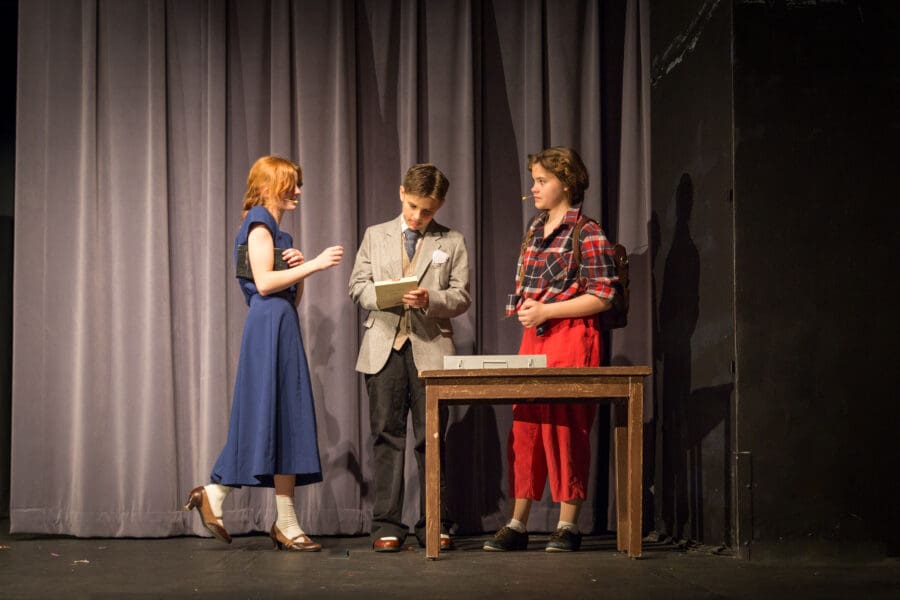
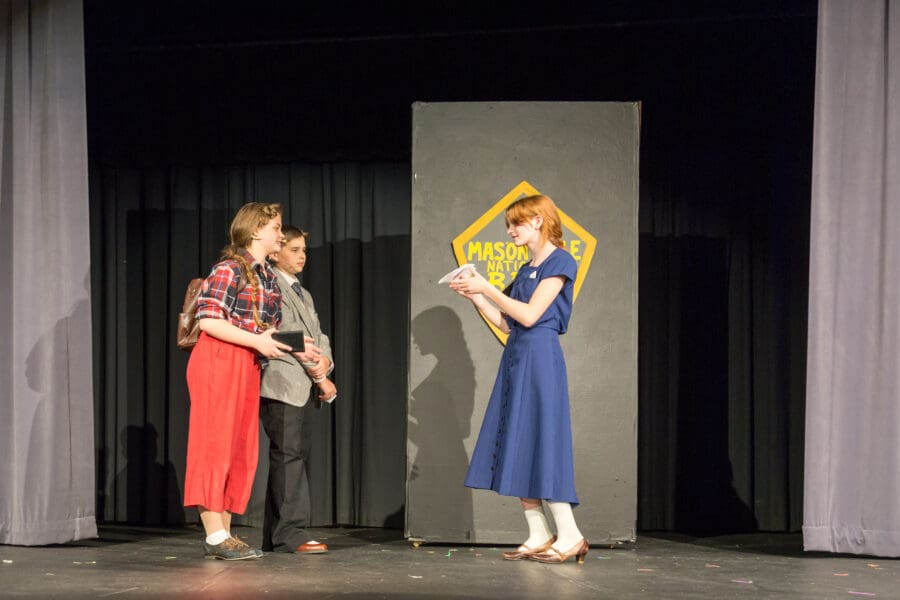
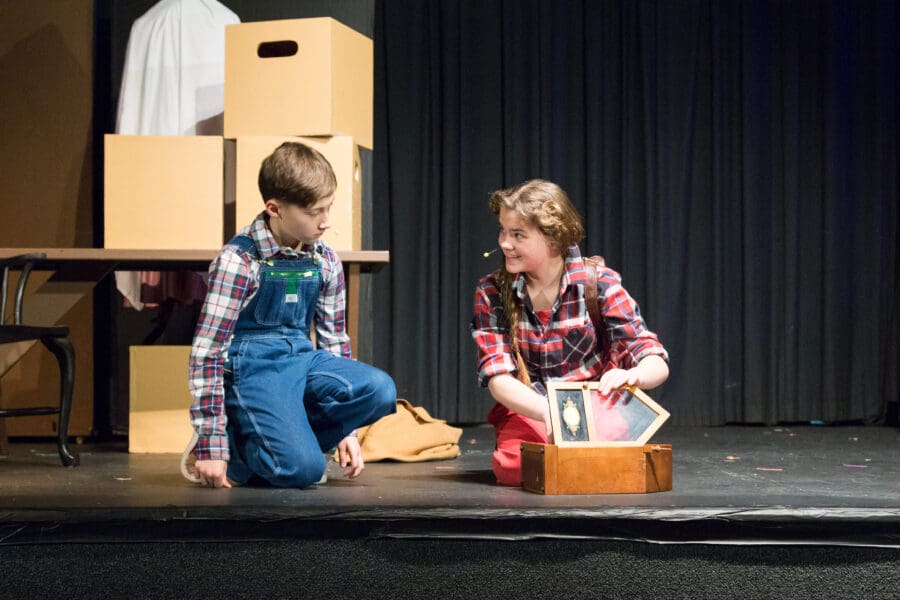
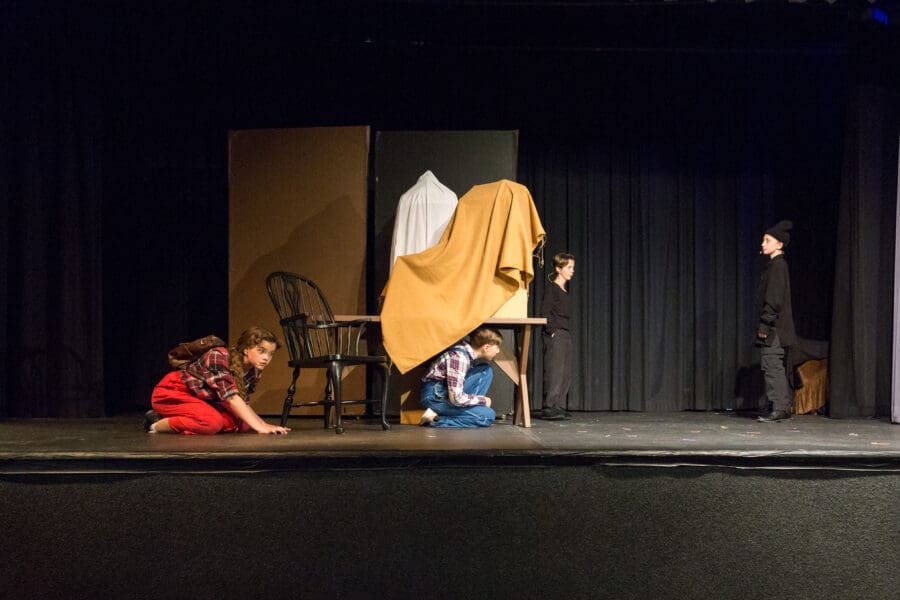



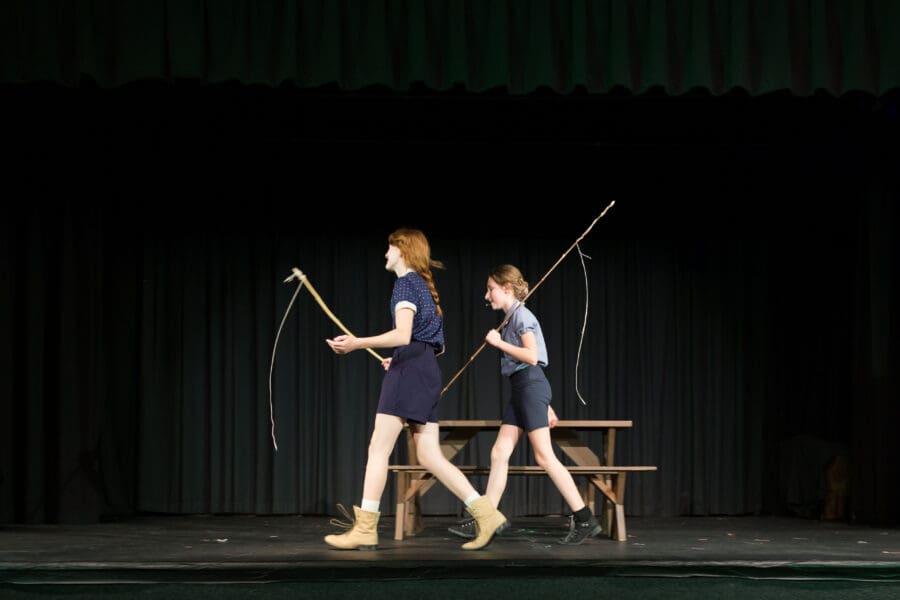

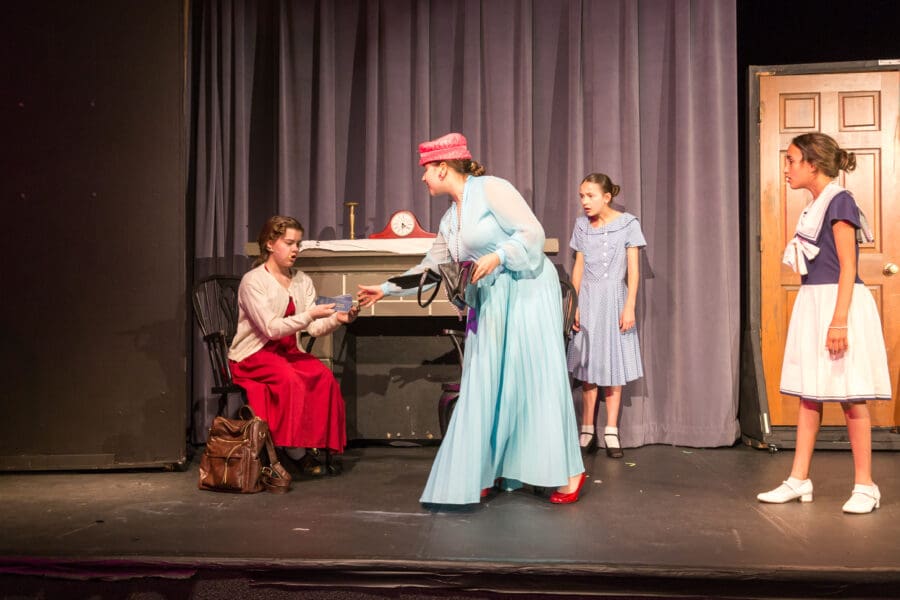

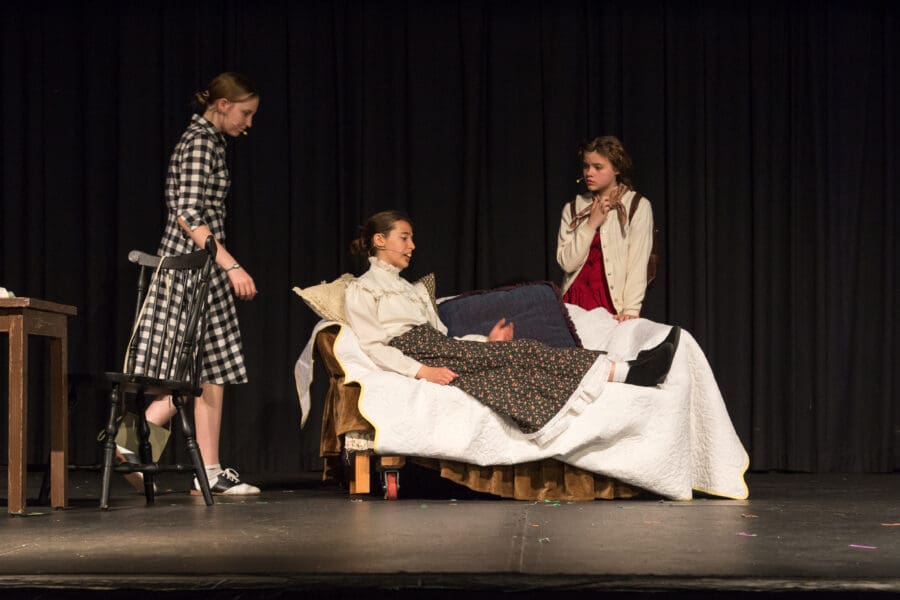
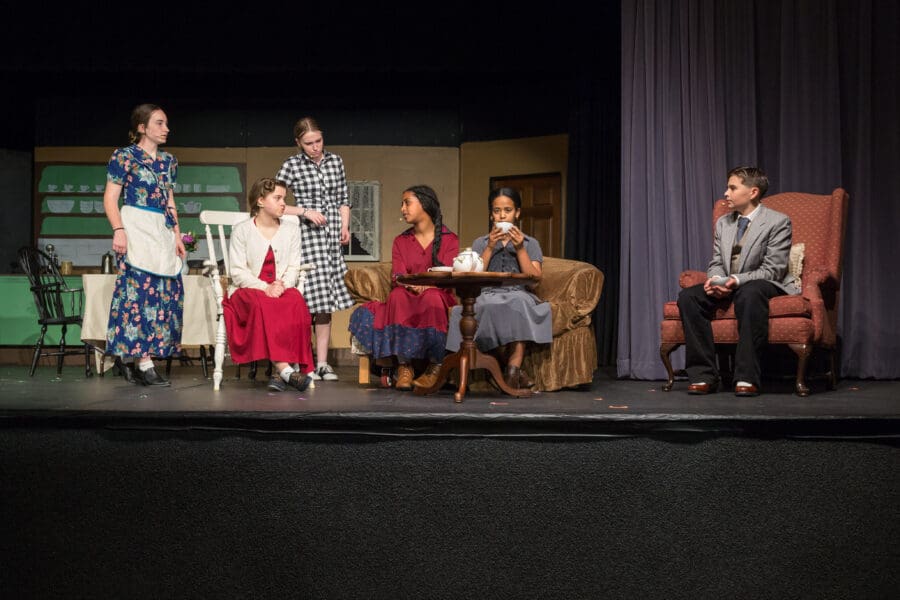

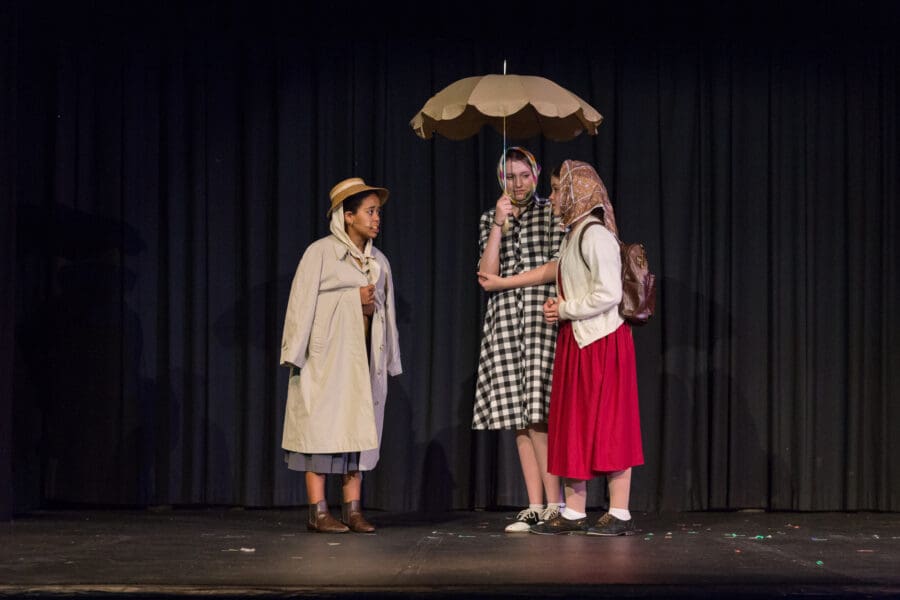
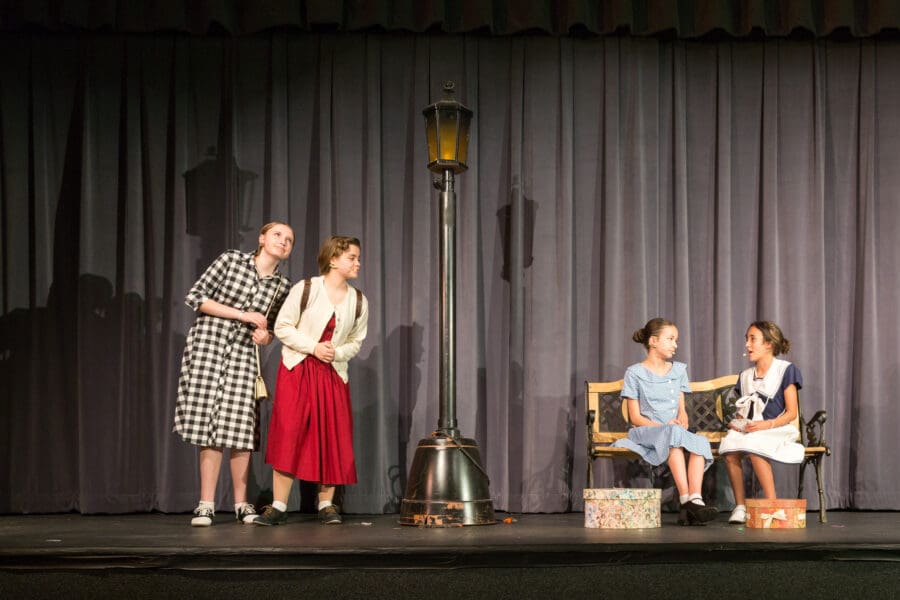
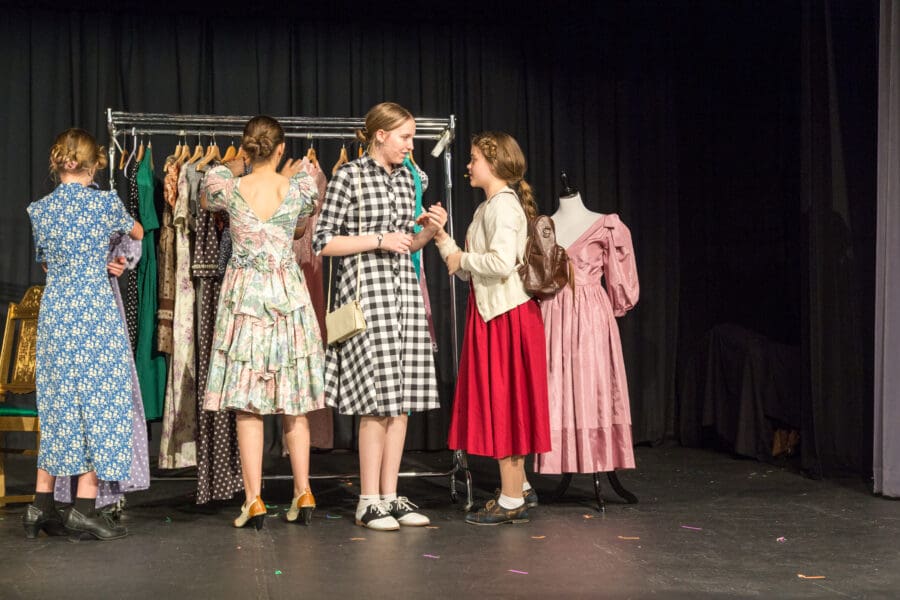
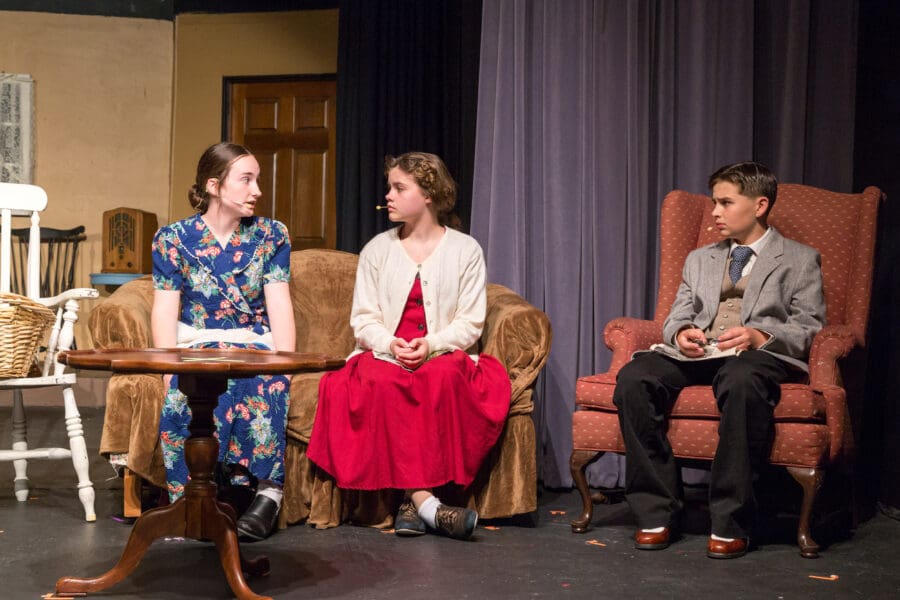

When Mildred Wirt Benson, writing as Carolyn Keene, first wrote The Secret of the Old Clock, the year was 1930. It was the beginning of the Great Depression. The stock market had just crashed. Women’s suffrage had just been granted a decade before, and women were finally expressing their right to vote. Women of the 1930s would have seen their mothers contributing to the home front during the Great War. Flappers epitomized the idea of female independence during the 1920s. From this collective consciousness came the girl detective, Nancy Drew. She was brave and independent. She drove and cared for her own automobile. She was willing to ask for help, but never asked for permission on her journey to find the truth and help the underdog.
Until recently, I never knew this version of Nancy Drew. I admired Nancy’s dogged detective work and quick thinking, but the Nancy Drew that I read about was a bit too tame for my taste, and a bit too perfect.
By the 1950s, ideas about women and society had changed once again. In 1959, publishers sought to revise the Nancy Drew stories to make them more palatable to a post-war American audience, which emphasized domestic idealism. The stories were shortened. Nancy was made older, given a boyfriend, and turned into a bit of a debutante who never broke the rules. In the 1960s stories, Nancy was rich, popular, beautiful, and generally compliant. Personally, I couldn’t identify with her at all.
When I found out that the 1930 edition of The Secret of the Old Clock had entered the public domain, I knew I wanted to read this original version. I fell in love. While not everything about the original story is good — one strong example of insensitive stereotyping appears in the 1930 version — I love everything about the original character of Nancy Drew. 1930 Nancy is disgusted by unfairness and greed. She has self-doubts, and she gets discouraged. She also makes no secret that part of her love of sleuthing stems from her own intellectual curiosity and her determination to fix a broken, unfair system.
The Secret of the Old Clock: Nancy Drew’s Original Mystery is a return to the passionate Nancy Drew of the 1930s. In this fast-paced puzzle-plot, we follow Nancy through her very first mystery. Complete with sympathetic underdogs and uppity antagonists, this fun play is perfect for the whole family. I am incredibly proud of our middle school drama students who have developed this original play along with me. Through draft after draft, they have been consistently supportive and worked tirelessly to bring this story to life on stage! We cannot wait to share it with you.
–Mrs. Caldwell